



When one has to talk about the great, famous food cities around the globe, Japan’s capital is one that is considered amongst the top. Tokyo has an amazing culinary landscape with a pinch of century-old culture and top-notch innovation. Starting from kaiseki dining, to Michelin-starred restaurants, to the modest ramen shops in the narrow streets, Tokyo has amazing opportunities for foodies.
Tourists in Tokyo don’t find it just a necessity; instead, it’s a cultural experience. Just like any other country, Japan has its own specialities, unique ingredients, and convenience stores serving meals that surpass expectations. Japan has an amazing food culture journey experience to offer, making one explore the true essence of Japan.
Going ahead, you will come across Tokyo's must-try food districts, dishes, markets, dining etiquette, and tips.
Understanding Tokyo’s Food Culture
Japanese cuisine holds one thing, i.e., a strong emphasis on seasonality, freshness, presentation, and balance. The meals have flavorful ingredients rather than heavy seasoning. While the food culture of Tokyo holds its epitome of innovation and commerce. In so many years, local Japanese dishes have evolved due to the influence of Japanese regions. In comparison to other cities, Tokyo has more Michelin-starred restaurants and a vibrant street-style food, along with a casual dining culture. Every restaurant has its own special dish.
Must-Try Foods in Tokyo
Sushi

The most famous dish of Tokyo is authentic Sushi. Japan has the finest sushi chefs with mastery in transforming simple ingredients into a culinary experience.
Usually, in traditional sushi, there are different types of fresh seafood served with vinegared rice. Some of the famous options have:
- Maguro (Tuna)
- Salmon (Sake)
- Otoro (Fatty Tuna)
- Ebi (Shrimp)
- Unagi (Eel)
- Uni (Sea Urchin)
Travelers of almost every budget can enjoy sushi. Chefs pick the sushi for every guest, from all the luxurious omakase to conveyor-belt restaurants.
Ramen
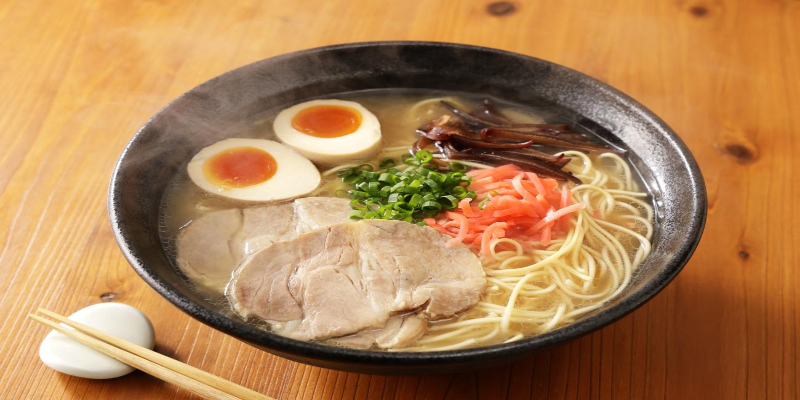
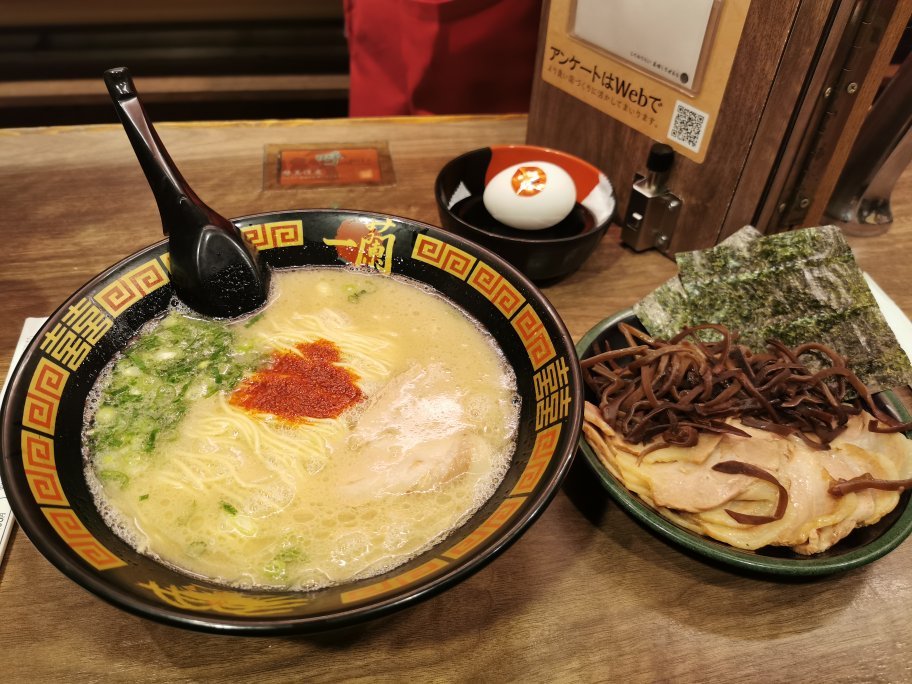
Ramen is one of the greatest dishes worldwide. But it gives a completely different food experience. Each bowl of Ramen has noodles, broth, seasonings, and toppings.
Some of the famous ramen styles are:
- Shoyu (soy sauce-based broth)
- Shio (salt-based broth)
- Tonkotsu (pork bone broth)
- Miso ramen
- Tsukemen (dipping noodles)
In Japan, every Ramen shop specializes in one style of ramen and masters the recipe for years.
Tempura
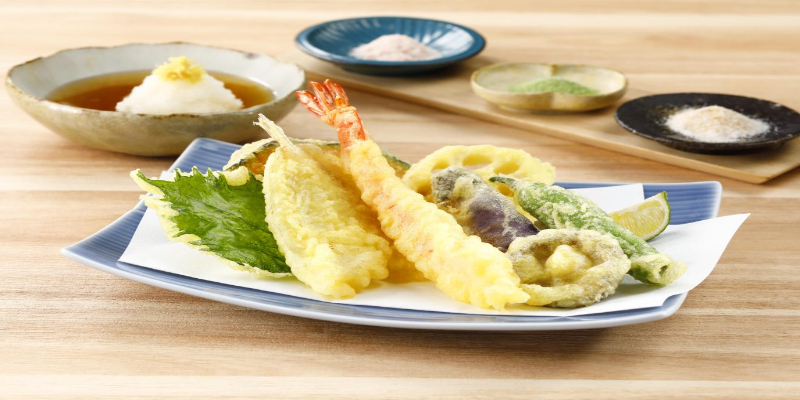
Tempura is a deep-fried, crispy dish full of vegetables and seafood coated in batter. It was introduced years ago
Today, it’s one of the finest dishes of Japanese cuisine.
Common ingredients of Tempura include:
- Shrimp
- Squid
- Sweet potato
- Pumpkin
- Eggplant
- Mushrooms
In every restaurant where tempura is on the menu, it is served just after frying for maximum texture and freshness.
Yakitori
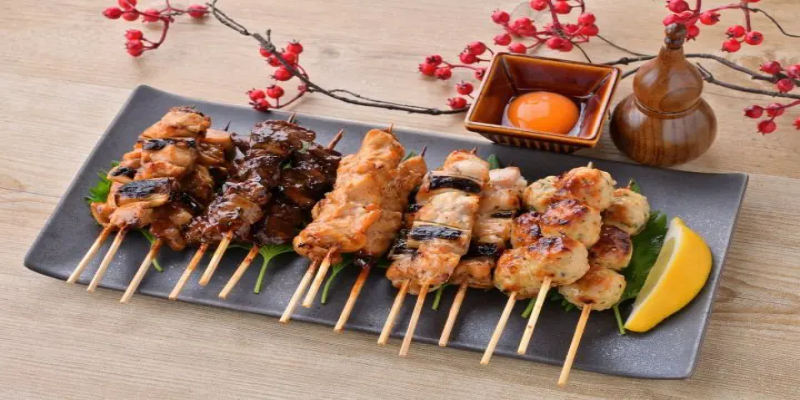
These are grilled chicken skewers cooked over charcoal. The chicken pieces are seasoned with either soya sauce with little sweetness or salt. The famous varieties include:
- Chicken thigh
- Chicken breast
- Chicken skin
- Chicken liver
- Meatballs (Tsukune)
The Yakitori tastes really well with the Japanese sake or beer and is a common dish available in izakayas and casual entries.
Tonkatsu
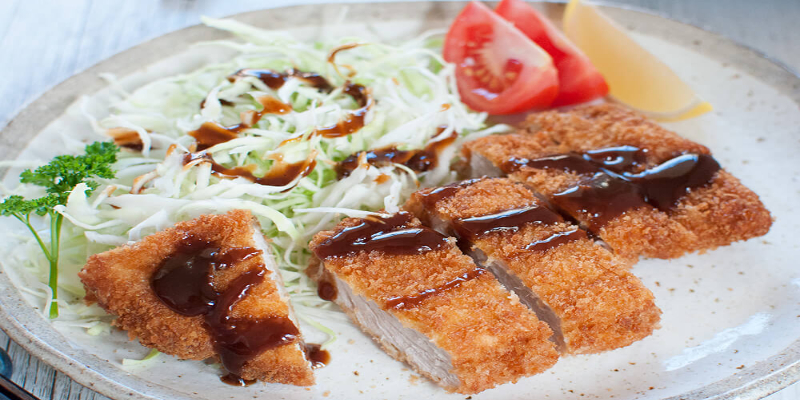
It’s a cutlet, a breaded and deep-fried dish with a tangy sauce and shredded cabbage. Tonkatsu is juicy on the inside and crispy on the outside. Many travelers consider it a comfort food amongst tourists and locals. In Japan, many of the restaurants specialize in Tonkatsu, giving a top-quality pork variety from all around Japan's regions.
Soba and Udon
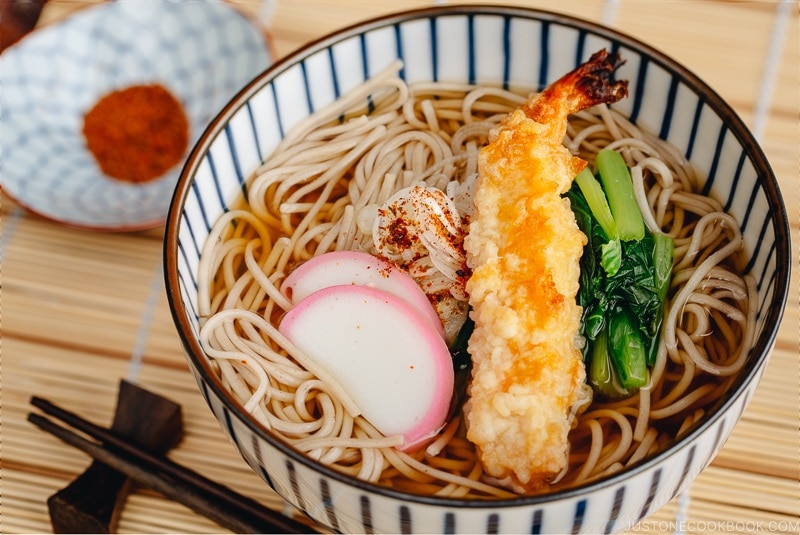
This is a delicious noodle dish often considered an alternative to ramen. The soba noodles are made from buckwheat and served with dipping sauce or hot in broth. Udon noodles are easy to chew as they are made from wheat. The Soba and Udon are served in different styles, ranging from elaborate toppings to simple broths.
Okonomiyaki
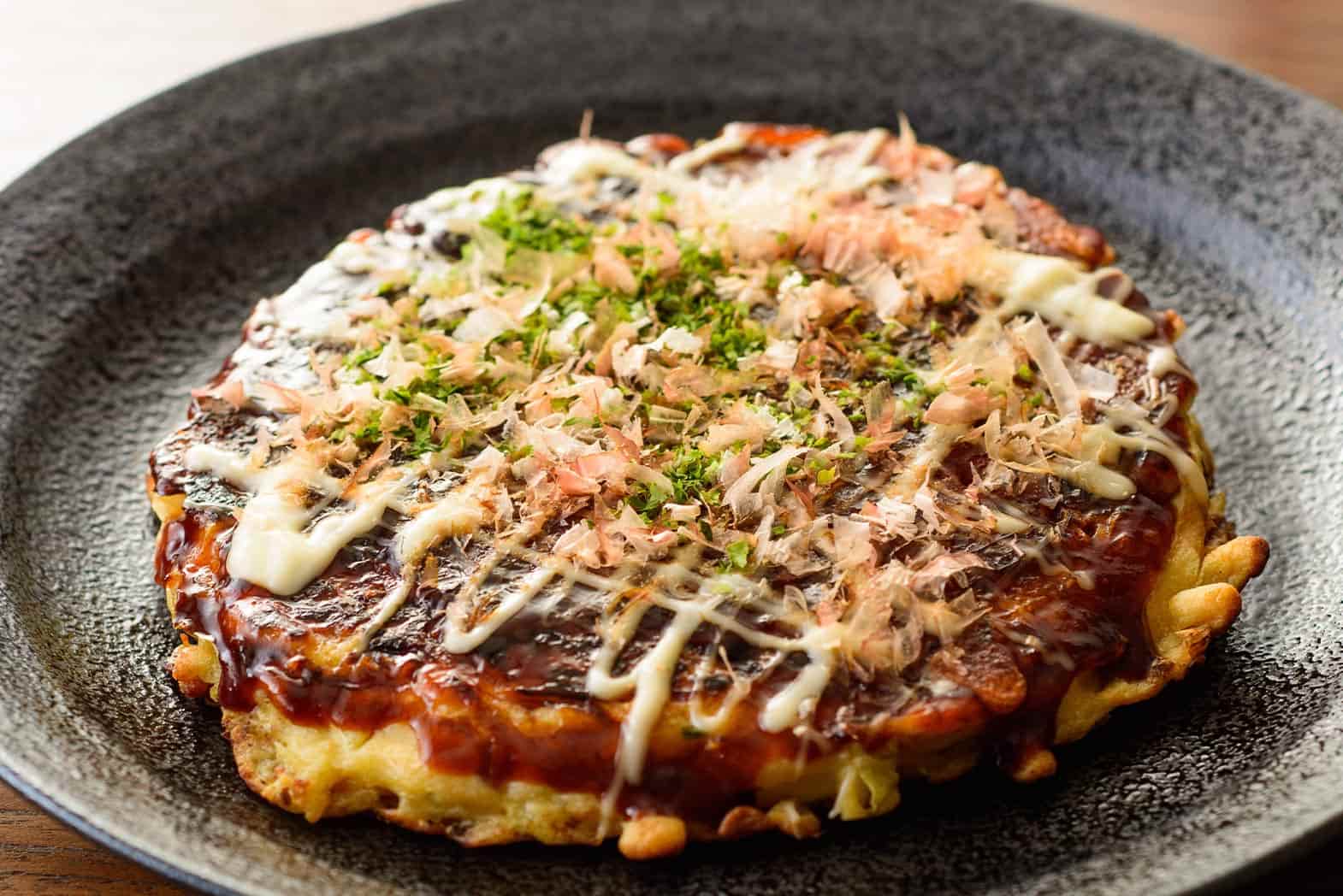
Okonomiyaki is one of the savory pancakes. It is a mix of batter with ingredients such as pork, cabbage, vegetables, and seafood.
The dish is topped with:
- Japanese mayonnaise
- Okonomiyaki sauce
- Seaweed powder
- Bonito flakes
Also, the restaurants give customers permission to cook their okonomiyaki at the table.
Japanese Curry
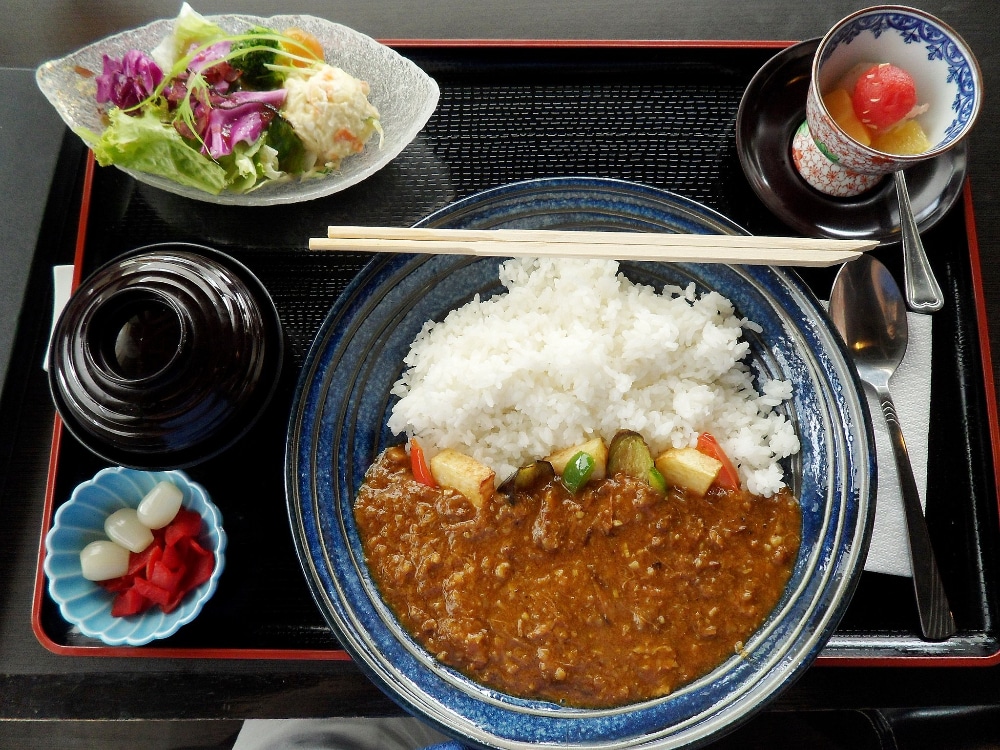
Japanese curry is completely different from Thai or Indian curry. It is thicker, milder, and sweeter in taste. The Japanese Curry is served with meat and vegetables. Curry rice is a comfort food consumed throughout Japan.
Best Food Districts in Tokyo
Tsukiji Area
This is Tokyo’s most famous destination for seafood lovers. Many visitors here enjoy:
- Fresh sushi
- Grilled seafood
- Tamagoyaki (Japanese omelet)
- Tuna skewers
- Seafood rice bowls
The best time to visit this area is in the morning.
Shinjuku
Shinjuku is the busiest district offering local eateries to luxury dining,
The highlights of Shinjuku include:
- Ramen shops
- Izakayas
- Yakitori restaurants
- Department store food halls
The famous streets of Shinjuku give an amazing dining experience.
Shibuya
The Shibuya food district has a very youthful energy. This restaurant has international cuisines, modern restaurants, and innovative Japanese dining.
Here you can find:
- Trendy cafes
- Artisan desserts
- Sushi bars
- Casual ramen shops
The Shibuya district is perfect for understanding contemporary food trends.
Asakusa
This food district has a preserved historical atmosphere and a rich food culture.
The famous food includes:
- Ningyo-yaki cakes
- Melon pan
- Tempura
- Traditional sweets
The narrow alleys surround the temple area, lined up with local restaurants and food vendors.
Ginza
If we talk about Tokyo’s luxe dining capital, then Ginza is the one.
In Ginza, tourists can further explore:
- Top-notch sushi restaurants
- Michelin-starred restaurants
- Fine Japanese cuisine
- Elegant dessert boutiques
At the most prestigious venues, reservations are requested in advance.
Ueno
Ueno has a wide range of food options. While Ueno is famous for:
- Street food
- Local markets
- Traditional restaurants
- Affordable seafood
Here, tourists get a light dining experience when compared to other central districts.
Exploring Tokyo’s Food Markets
Toyosu Market
This market has been a huge replacement for the operations of the old fish market. But today it has become a great attraction for food lovers.
Visitors get to look into:
- Tuna auctions
- Seafood trading
- Professional food vendors
Within this complex, different restaurants offer top-notch fresh seafood.
Ameya-Yokochō Market
The atmosphere of the market is lively and is great for exploring food.
- Fresh seafood
- Fruits
- Snacks
- Street food
- Local specialties
Department Store Food Halls
These are also known as depachika; these basement food halls are no less than a great culinary destination.
One can buy:
- Sushi
- Bento boxes
- Cakes
- Wagashi sweets
- Prepared meals
Even the travelers are astonished by the top-notch quality and the variety available.
Tokyo Street Food
Japan is not well-known for its wide street-food cultural experience in comparison to Asian countries. In Tokyo, there are numerous portable treats.
Some Famous Street Foods Are:
Takoyaki
These are batter balls in a round shape with octopus pieces. These are topped with mayonnaise, sauce, and bonito flakes.
Taiyaki
These are pastries in fish shape, full of custard, sweet red bean paste, and other fillings.
Karaage
This is Japanese fried chicken, full of crispiness, juiciness, and highly addictive.
Dango
These are dumplings of sweet rice on skewers and are coated with sweet soy glaze.
Senbel
These are rice cracker-style dishes full of flavors, ranging from savory to sweet.
Traditional Japanese Dining Experiences
Kaiseki
This represents great pinnacles of Japanese culinary artistry.
This type of meal is a multiple-course meal depicting:
- Seasonal ingredients
- Refined presentation
- Regional specialties
Every dish is designed to create balance and harmony.
Omakase
This has a very deep meaning: “I leave it up to you.”
Guests show their full trust in the chef for creating a customized dining experience on the basis of the finest ingredients.
Izakaya
These are Japanese gastropubs, and here diners share small dishes while having drinks:
Famous Izakaya foods include:
- Yakitori
- Sashimi
- Grilled fish
- Fried foods
- Salads
These give a great chance to go through the local social culture.
Basic Food Etiquette for Travelers
It’s essential to have an understanding of dining etiquette, leading to an enhanced experience:
Before Eating
Before the first bite, make sure to say “Itadakimasu”, which expresses gratitude for any meal.
Chopstick Rules
While eating using chopsticks, make sure to avoid:
- Don’t stick chopsticks upright into the rice.
- Don’t pass the food directly between chopsticks.
- Don’t point with the chopsticks.
Tipping
This is not customary in Japan and may confuse, as excellent service is always part of the dining experience.
Seasonal Foods to Try
Japan celebrates seasonality through food.
Spring
- Sakura-themed desserts
- Bamboo shoots
- Fresh seafood
Summer
- Cold noodles
- Eel dishes
- Seasonal fruits
Autumn
- Matsutake mushrooms
- Chestnuts
- Sweet potatoes
Winter
- Hot pots
- Crab
- Oden
The Last Lines!
Tokyo is not just a city; instead, it’s a destination for culinary experiences. Everyone has a great chance to build a connection with the history, Japanese culture, hospitality, and craftsmanship. Starting from the ramen specialties to sushi masters, there are bustling markets and hidden izakayas. While Tokyo surprises curious visitors with an amazing food experience.
While savoring a unique omakase dinner or buying an onigiri from a convenience store, you get to explore the market stalls. Every traveler here gets a different culinary adventure experience. When visiting Tokyo, it is highly advisable to make memories around the city's food counters, tables, and markets, making it a cherished part.
Suggested Japan Tour - Explore Japan Tour (10 Nights / 11 Days)
Also Read -


